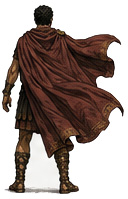
How it started…
It began long before the first step touched the mountain pass.
Long before the snow, the hunger, and the silence of the high peaks.
At the edge of the Alps, as Hannibal led his army toward the impossible, he knew this march would demand more than strength. It would test memory, loyalty, sacrifice, and the will of the man who dared to challenge Rome by crossing the roof of the world.
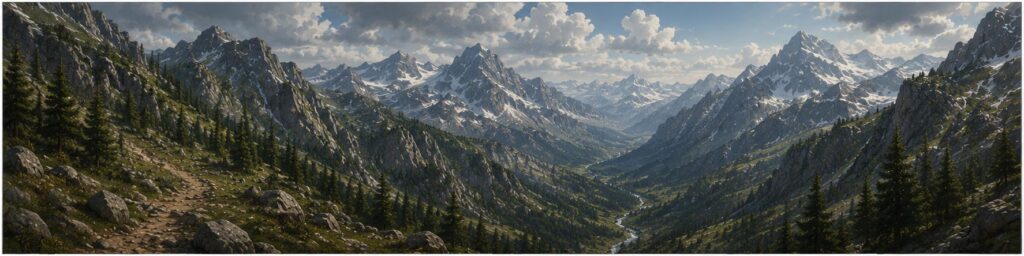
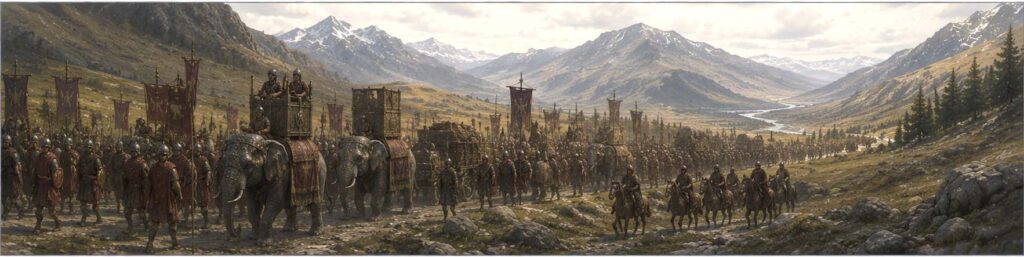
As Hannibal’s army entered the mountain country, the warm roads of the south gave way to narrowing paths, rising slopes, and the shadow of the Alps. Ahead lay a road no great army had dared to force with elephants, cavalry, and thousands of men. Behind them was the world they knew. Before them stood stone, snow, and the uncertainty of a march that would either make Hannibal immortal or destroy him in the heights.
The land itself seemed to change with every mile. Forests thickened along the slopes, the air grew colder, and the mountains rose higher with every turn of the path, as though the earth were slowly closing around the army and drawing it toward some trial from which there could be no retreat. What had once been a campaign of movement, conquest, and battle was becoming something harsher and less certain. Here there would be no walls to storm, no enemy line to outflank, no single victory to win in a day. The mountain would test them differently. It would strip strength from the body, hope from the mind, and demand obedience from men who could not yet see the cost of the road before them.
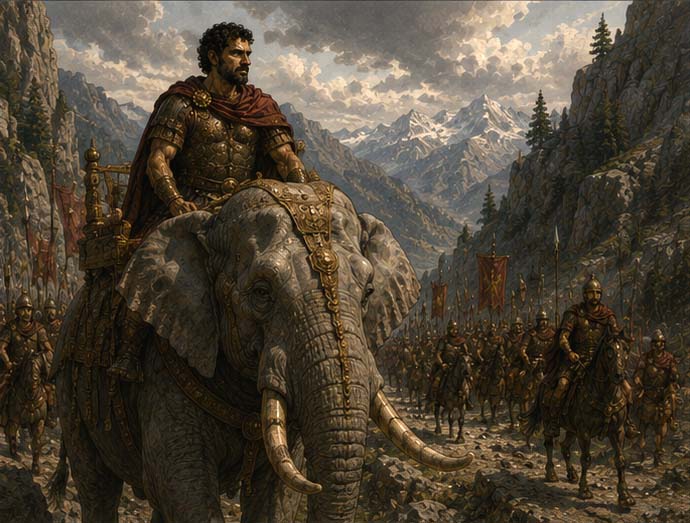
Yet it was not only the mountain that weighed upon Hannibal. From atop his elephant, he rode in silence at the head of the column, his eyes fixed on the rising pass while his thoughts wandered far beyond the green slopes and rocky trails before him. He had led these men across Iberia and through war, through blood, hardship, and impossible marches, and they still followed him with the same unbroken faith. That loyalty was now the heaviest burden of all. For as the first true heights of the Alps stood before him, Hannibal knew that courage and genius alone would not be enough to master what awaited above. Snow, hunger, exhaustion, fear, and the cruelty of the mountain itself would soon become enemies as deadly as any Roman army.
Some among the army looked upon the mountains with awe. Others looked upon them with dread. Hannibal looked upon them and saw only the road ahead. Somewhere beyond those peaks lay Italy. Somewhere beyond the snow and stone lay the chance to strike Rome where it believed itself untouchable. But before that victory could be imagined, the army would have to survive the passage into the clouds. And as the shadow of the Alps fell across his men, Hannibal understood the truth that no speech could lighten: from this moment onward, the mountain would decide what price must be paid for greatness.
For a time he rode in silence, saying nothing to the men around him. The slow, steady steps of the elephant beneath him seemed to carry not only his body, but the full weight of memory, ambition, and responsibility. The road behind him had been long, Spain won by blood and resolve, tribes subdued, rivers crossed, victories earned one after another, but those struggles now felt almost simple compared to what stood before him. An enemy could be studied. A battlefield could be shaped. A commander could deceive, outmaneuver, and break another commander. But the mountain offered no such certainty. It had no pride to exploit, no fear to awaken, no line to turn. It would not bargain with courage or yield to brilliance. It would take from his army whatever it wished, and answer every plan with cold, height, hunger, and exhaustion.
Hannibal’s eyes moved over the column behind him, ranks of infantry, cavalrymen guiding their mounts along the rising paths, servants and pack animals straining beneath their burdens, elephants pressing forward into a land not meant for them. They followed him as they always had, with a faith so complete that it troubled him more than doubt ever could. Many of these men had marched beside him for years. They had crossed rivers at his word, stormed enemy positions at his signal, and endured hunger, wounds, and exile because they believed that where Hannibal led, victory would follow. Looking upon them now, he felt not pride, but the sharp edge of a question he could not silence. How many of them would survive the road he had chosen? How many faces in that column would be gone before they ever saw the plains of Italy? How many fathers, brothers, and sons had he already drawn too far from home to turn back?
He did not allow such thoughts to weaken his expression, but they moved heavily within him all the same. The burden of command was not only the glory of being obeyed. It was the knowledge that every order was measured in lives. A wrong turn, a misjudged pass, a delayed march, a day too long in the cold, any one of these might kill as surely as a Roman spear. And unlike battle, where men died beneath the noise of courage and the fury of action, the mountain would kill in silence. It would do so slowly, without honor, without witness, and without caring whether the dead were brave or cowardly. Hannibal knew that if his army failed here, it would not be because Rome had defeated him, but because he had led his men into a place where even greatness might be made to kneel.
Yet for all the uncertainty before him, there was no thought of retreat in his mind. That path had already been abandoned the moment he chose to bring war over land into Italy. To turn back now would mean more than failure; it would mean surrendering the one chance to strike Rome where it least expected, to break its confidence, shake its allies, and carry fear into the heart of its own world. Hannibal had built his life around the belief that Rome could be beaten, not through patience or defense, but through boldness so great that the enemy would be forced to answer on ground of his choosing. That belief had brought him here, to the foot of the impossible. But belief alone could not quiet the thoughts that rose in him as the mountain path narrowed and the cold wind descended from above. He knew what he wanted to achieve. What he could not know was whether the price would be worthy of the men who trusted him to pay it.
His mind drifted to his father, to Iberia, to the long years spent shaping himself into the weapon Carthage would need against Rome. So much of his life had driven toward this march that it almost felt as if the mountains had been waiting for him all along, as if every battle, every lesson, every sacrifice had led not to a field of war, but to this silent ascent into uncertainty. He wondered, though only for a moment, whether destiny truly favored men of resolve, or whether it merely lured them forward until they could no longer see how far they had gone. Was this the step that would make his name immortal, or the step that would condemn his army to ruin in a place no victory could redeem? The question remained unanswered, hanging in his thoughts like the mist gathering around the peaks.
Still, when Hannibal lifted his eyes to the heights, he found that the answer he needed was not certainty, but resolve. He could not promise his men safety. He could not know which ridges concealed death, which valleys held passage, or how many of those marching behind him would live to descend into Italy. But he could do what he had always done: endure what others would not, attempt what others feared, and carry the burden of the unknown without allowing it to master him. The mountain might decide the price of greatness, but it would not decide whether he continued forward. That choice was still his. And as the army climbed deeper into the shadow of the Alps, Hannibal kept his silence, straightened his posture atop the elephant, and fixed his gaze upon the road ahead, knowing that every step from this point onward would test not only his ambition, but the very worth of the dream for which he had asked so many men to follow him into the clouds.
Story continues..
The most underrated epic story about the man and his adventures..